Sunscreen: Its Uses and Why It Is Essential for Healthy, Glowing Skin
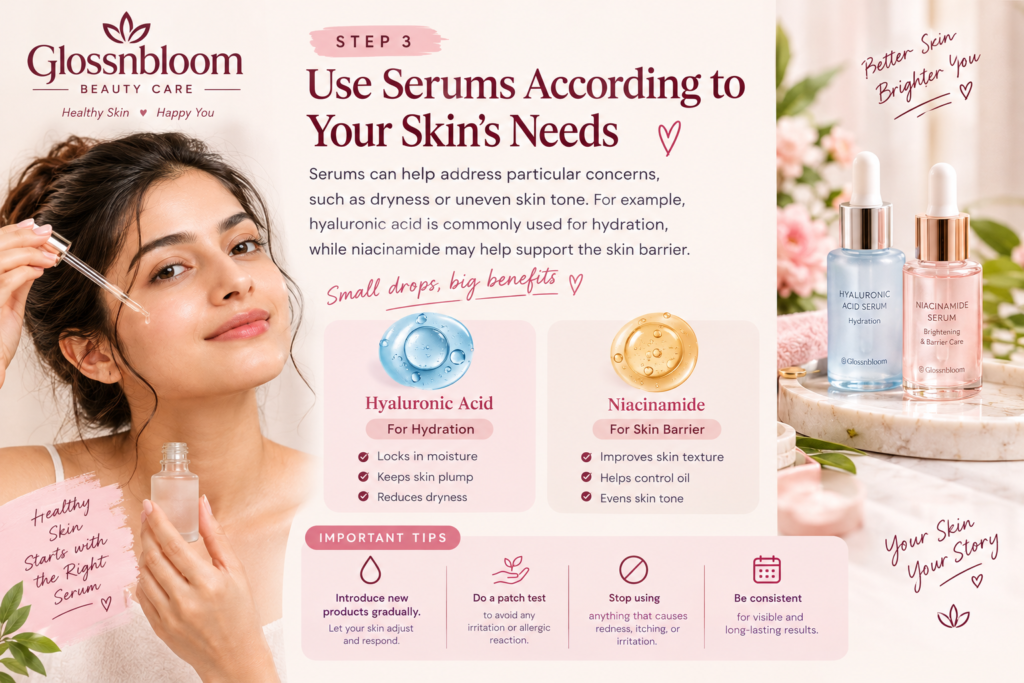
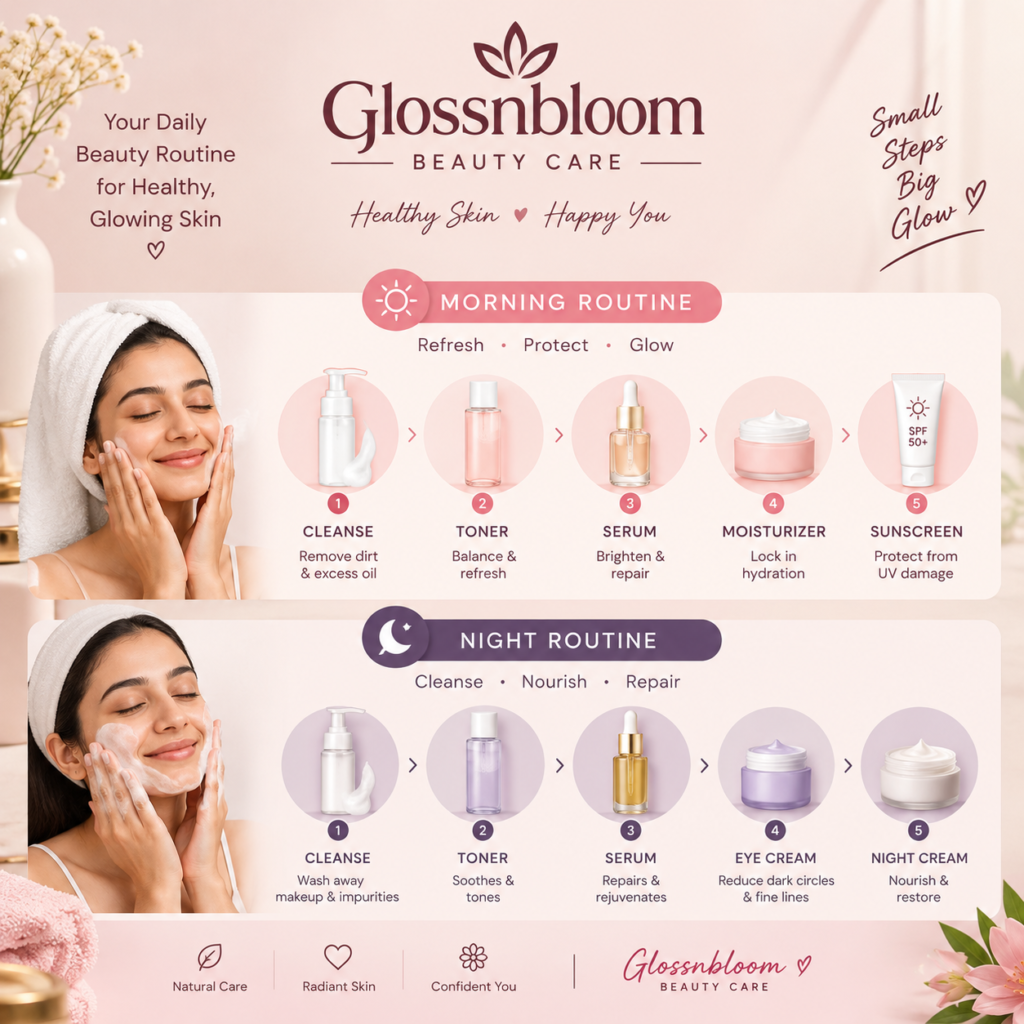
Introduction: Why Is Sunscreen Important? Healthy, glowing skin starts with daily sun protection. Sunscreen is one of the most important steps in a skincare routine because it helps protect your skin from harmful ultraviolet (UV) rays. Whether you are going to the office, travelling, shopping, or spending time outdoors, your skin can be exposed to UV radiation. Over time, this exposure may contribute to sunburn, dark spots, uneven skin tone, fine lines, and premature ageing. At Gloss n Bloom, we believe that beautiful skin begins with healthy skincare habits. Let’s understand how sunscreen works, why you need it, and how to choose the right one for your skin type. 1. What Is Sunscreen? Sunscreen is a skincare product that helps protect your skin from the sun’s ultraviolet rays. There are two main types of UV rays to understand: Choose a broad-spectrum sunscreen to help protect against both UVA and UVB rays. 2. Top 6 Benefits of Using Sunscreen 1. Helps Prevent Premature Ageing Regular sunscreen use helps protect against UV-related fine lines, wrinkles, and loss of skin elasticity. 2. Helps Reduce Dark Spots and Uneven Skin Tone Sun exposure can worsen pigmentation and dark spots. Daily sun protection helps prevent existing discoloration from becoming more noticeable. 3. Protects Against Sunburn Sunscreen reduces the amount of UV radiation reaching your skin, helping lower the risk of sunburn when used correctly. 4. Supports Long-Term Skin Health Regular sunscreen use helps reduce UV damage and lowers the risk of certain skin cancers. 5. Helps Maintain an Even Complexion Sun protection can help prevent tanning and worsening pigmentation, supporting a more even-looking skin tone. 6. Complements Your Skincare Routine If you use products such as niacinamide or other pigmentation treatments, sunscreen helps protect your skin from additional sun-related discoloration. 3. Which Sunscreen Is Best for Your Skin Type? Skin type What to look for Oily skin Lightweight, oil-free, non-comedogenic formula Dry skin Moisturizing sunscreen with glycerin or hyaluronic acid Sensitive skin Fragrance-free formula; mineral filters such as zinc oxide may suit some people Combination skin Lightweight lotion or gel-cream Pigmentation-prone skin Broad-spectrum SPF 30–50; tinted sunscreen with iron oxides may provide additional protection against visible light Our tip: SPF 50 is a practical choice for daily use, especially during prolonged outdoor exposure. SPF alone does not tell you how well a sunscreen protects against UVA rays, so look for broad-spectrum protection. 4. How to Apply Sunscreen Correctly tonpetitlook.com Follow these simple steps for better sun protection. 5. Common Sunscreen Mistakes to Avoid Remember, sunscreen works best as part of a complete sun-protection routine. 6. Can Sunscreen Help with Skin Repair and Glowing Skin? Yes, sunscreen plays an important supporting role in maintaining skin health. It helps limit further UV damage while your skin’s natural repair processes take place. However, sunscreen does not directly remove existing dark spots, repair every form of skin damage, or guarantee a brighter complexion. Pair it with a gentle cleanser, a suitable moisturizer, and targeted skincare products according to your needs. If your skin is irritated, unusually red, or breaking out, choose gentle products and seek advice from a dermatologist rather than adding multiple active ingredients at once.